Milford Sound Cruise - RealNZ
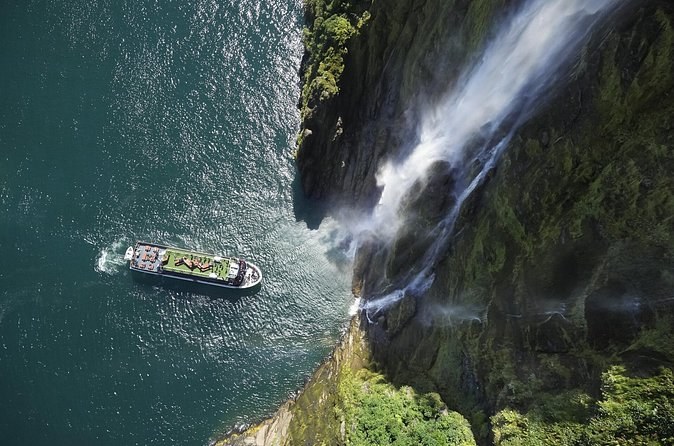
A cruise of 1 hour 40 minutes or 2 hours on a big boat, with the operator's app for commentary. Parking is paid on top.
From $102 per person
Check AvailabilityMilford Sound is one of the wettest places in New Zealand, and the rain is part of the show. It fills the waterfalls you sail past. Here is what each month brings, from NIWA's long-run records for the airport, and what it means for the Milford Sound day tour you book.
Rain rarely stops a cruise. The boats sail in it, and after heavy rain the walls of the fiord run with temporary waterfalls. A dry day gives you the reflections and the peak in full; a wet day gives you water pouring off every cliff. Both are worth the trip.
What weather does stop is flights and, in winter, sometimes the road. Cloud grounds the planes and the helicopters. Snow, ice and avalanche risk can close the Milford Road, and DOC tells you to expect closures and delays in winter.
The figures below are NIWA's 1991 to 2020 normals for Milford Sound Airport. About 6,545 mm falls in an average year, over about 185 rain days. DOC puts the area's rain at up to 7 m a year.
Highs average 20 °C and lows 11 °C. About 667 mm of rain falls over 16 rain days. The wettest month of the year, and the waterfalls show it. It is peak season, so book ahead and sail early or late.
Highs average 20 °C and lows 11 °C. About 467 mm of rain falls over 13 rain days. The warmest month and the one with the fewest rain days. The coaches are busy, so book ahead and sail early or late.
Highs average 18 °C and lows 9 °C. About 571 mm of rain falls over 14 rain days. Still warm, and still busy. The rain rises again, which keeps the falls running for your cruise.
Highs average 16 °C and lows 7 °C. About 528 mm of rain falls over 13 rain days. Cooler, and the busy season ends with the month. The Great Walks season on the track ends on the 30th.
Highs average 12 °C and lows 5 °C. About 645 mm of rain falls over 16 rain days. The second-wettest month, and DOC's winter begins. Snow can reach the road, so carry chains if the signs say so.
Highs average 9 °C and lows 2 °C. About 440 mm of rain falls over 15 rain days. The driest month by volume, and one of the coldest. Ice lingers in the shade, so leave Te Anau after 9am.
Highs average 9 °C and lows 2 °C. About 468 mm of rain falls over 14 rain days. The coldest month, days and nights. Drive with extra care in the shade, and check the road first. Tawaki start their breeding season.
Highs average 11 °C and lows 3 °C. About 457 mm of rain falls over 16 rain days. Cold and quiet on the road. Tawaki are nesting, and the road can close for snow or avalanche risk.
Highs average 13 °C and lows 4 °C. About 541 mm of rain falls over 18 rain days. One of the two months with the most rain days. DOC's winter on the road ends with the month, and tawaki are still breeding.
Highs average 15 °C and lows 6 °C. About 617 mm of rain falls over 18 rain days. As many rain days as September. The busy season starts, and traffic lights return to the tunnel at peak times.
Highs average 16 °C and lows 8 °C. About 558 mm of rain falls over 15 rain days. The Great Walks season on the track opens on the 1st. It is the last month of the tawaki breeding season.
Highs average 18 °C and lows 10 °C. About 585 mm of rain falls over 17 rain days. Warm again, with rain on more than half the days. Book cruises and parking early for the holidays.
| Season | Average high | Average low | Rain a month | Rain days a month |
|---|---|---|---|---|
| Summer: December to February | 19 °C | 10 °C | About 573 mm | About 15 |
| Autumn: March to May | 16 °C | 7 °C | About 582 mm | About 14 |
| Winter: June to August | 10 °C | 2 °C | About 455 mm | About 15 |
| Spring: September to November | 15 °C | 6 °C | About 572 mm | About 17 |
Summer, December to February, is the warmest and the busiest. DOC counts the busy season from October to April, when the coaches fill the road and the tunnel runs on traffic lights. Book ahead in these months, and sail early or late.
Winter, June to August, is cold and quieter. It is also the driest by volume, though it still rains on about half the days. The road needs more care, and chains may be required. From July, tawaki are on the shore.
Spring and autumn sit in between. Spring has the most rain days and the tail of the tawaki season. Autumn keeps summer's warmth into March and quietens after April. For the best month by what you want to do, see the things to do.
The coaches from Queenstown reach the fiord around the middle of the day. An early or late cruise misses most of them, and you get a quieter boat.
In winter, leave Te Anau after 9am. DOC suggests a later start, once the shaded corners have had time to thaw. In summer, an early start also gets you a car park space near the terminal.
Temperatures, rainfall and rain days are NIWA's 1991 to 2020 normals for Milford Sound Airport, checked 21 September 2026. A rain day is one with 1 mm or more. The seasons on the road, the winter advice and the tunnel lights are DOC's. The tawaki season is DOC's species page.
A cruise of 1 hour 40 minutes or 2 hours on a big boat, with the operator's app for commentary. Parking is paid on top.
From $102 per person
Check Availability
A premium van of 15 at most from Queenstown, a nature cruise of 1 hour 45 minutes and a packed picnic lunch, with pickup around town.
From $239 per person
Check Availability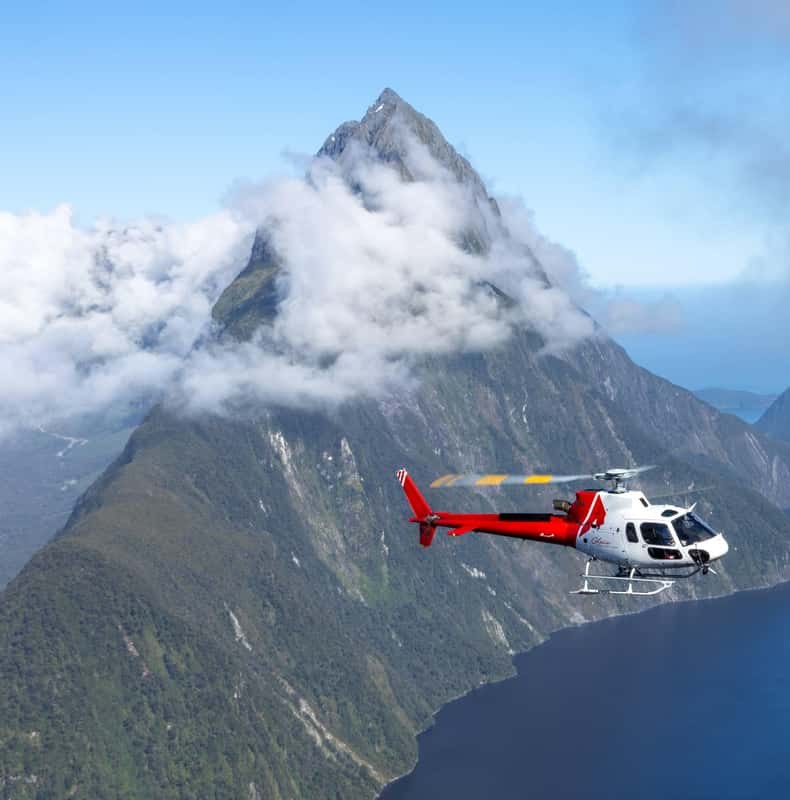
A four-hour Queenstown day by helicopter, with a glacier landing, in-flight commentary and a scenic cruise between the flights.
From $801 per person
Check AvailabilityNext: see the things to do, read the road guide, or compare every tour on Milford Sound Tours.